

Next Generation IT Solutions Company
Female professional explaining document details
Leadership and Governance
inclusion_banner-1050x650
Inclusion and Diversity
Business people investing on startup buiness
Partnership

On This Page

    Add a header to begin generating the table of contents

    Social Links

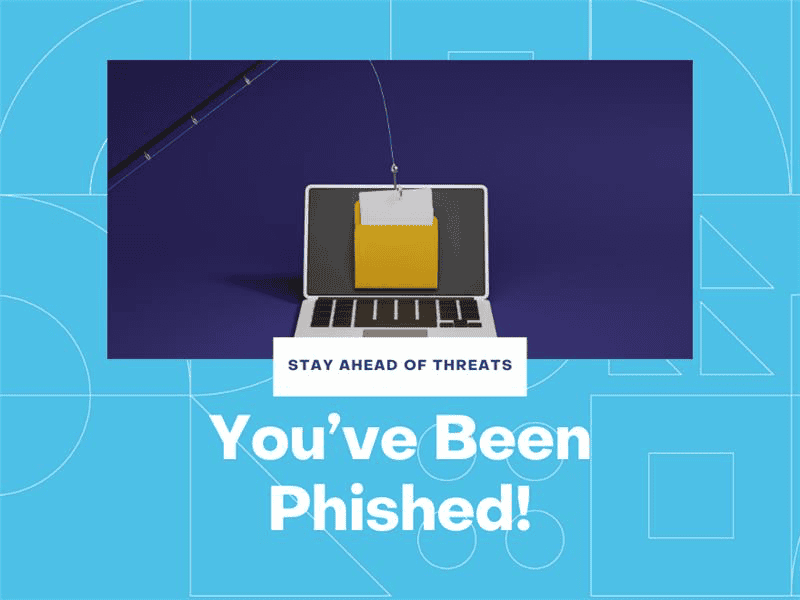
    Free Phishing Test: Determine Your Knowledge

    In order to prevent phishing attacks from doing lasting damage to your business, you need to know what to look for. We’ve created this free online phishing test to help keep your skills sharp and to better train your employees to identify potential phishing attacks.

    What is Phishing?

    Phishing is one of the most common forms of cybercrime. In these attacks, criminals disguise themselves as reputable organizations or individuals in order to trick people into giving away sensitive information. This could include login credentials, financial details, or personal identifiers. Studies show that nearly a quarter of all data breaches involve phishing, making it a major concern for businesses and individuals alike.

    The Goal of Phishing

    At its core, phishing is a digital form of identity theft. Attackers aim to capture valuable details such as usernames, passwords, bank or credit card numbers, Social Security information, and other personal data. Once obtained, this information can be used for fraud, financial theft, or further cyberattacks.

    Types of Phishing Techniques

    Phishing can take many different shapes, and attackers constantly evolve their methods. Here are some of the most common variations:

    • Email Phishing: Fake emails designed to look like they come from legitimate companies.
    • SMiShing: Text messages that try to lure victims into sharing information or clicking malicious links.
    • Vishing: Phone calls using spoofed numbers to impersonate trusted organizations such as banks or government agencies.
    • Spear Phishing: Targeted campaigns aimed at specific individuals or organizations, often personalized to be more convincing.
    • Whaling: High-value spear phishing directed at executives and senior leaders, often disguised as legal or financial requests.
    • Clone Phishing: Replicating a real email and swapping out its attachments or links for malicious ones.
    • Angler Phishing: Fake customer support accounts on social media that trick victims into handing over information.
    • Pharming: Redirecting users from real websites to fraudulent ones through DNS manipulation.
    • Content Injection: Altering legitimate websites to insert malicious redirects.
    • Search Engine Phishing: Fake sites that appear in search results, enticing victims to enter sensitive data.
    • Tabnabbing: Exploiting inactive browser tabs to redirect a user unnoticed.
    • Man-in-the-Middle: Intercepting communications between a user and a website to capture login details or other sensitive information.
    • Filter Evasion: Using images or non-standard text formatting to bypass email security systems.

    How to Spot a Phishing Attempt

    Although many phishing messages look convincing, there are red flags you can watch out for:

    • Messages with spelling mistakes, poor grammar, or odd phrasing.
    • Generic greetings like “Dear Customer” instead of using your real name.
    • A sense of urgency, such as threats of account suspension or offers that expire immediately.
    • Promises that are too good to be true, like prizes, money, or unrealistic discounts.
    • Unusual requests for donations, especially tied to disasters or crises.
    • Links that don’t match the legitimate domain when you hover over them.
    • Unexpected attachments, which often contain malware.
    • Emails or texts arriving at unusual hours from organizations that normally keep standard business schedules.

    Protecting Yourself and Your Organization

    While phishing attempts can’t always be prevented, you can take steps to reduce risk:

    • Never provide sensitive information through email, text, or social media links.
    • Avoid opening attachments unless you know they’re safe.
    • Double-check suspicious messages with the source directly.
    • Use strong spam filters, firewalls, and anti-phishing tools.
    • Keep security software and systems updated.
    • Deploy inbound sandboxing to analyze suspicious content before it reaches employees.
    • Educate yourself and your team on the latest phishing tactics.

    Why Training Matters

    Technology helps, but people are the first line of defense. Without proper awareness, employees can unintentionally expose an organization to serious risks. In fact, over a third of workers fail simulated phishing tests.
    Regular training ensures your staff knows how to recognize phishing attempts, what to do when they encounter one, and how to respond appropriately. Simulated phishing exercises are a powerful way to test readiness and build resilience across your workforce.

    👉 By combining employee awareness, technical safeguards, and proactive monitoring, businesses can significantly reduce the chances of falling victim to phishing scams.

    SKYTEK Cybersecurity Awareness Training – Phishing Defense

    At SKYTEK Solutions, we know that phishing remains one of the most common and damaging cyber threats facing businesses today. That’s why our Cybersecurity Awareness Training is designed to empower your employees to become the first line of defense.
    Take the Phishing Quiz

    Determine Whether You Need Phishing Training with Our Free Phishing Test

    Next Generation IT Solutions Company

    Are you ready for amazing I.T. support?

    Enter your 9-digit code:

    We value your privacy

    We use cookies on our website to give you the most relevant experience by remembering your preferences and repeat visits. By clicking “Accept”, you consent to the use of ALL the cookies. However you may visit Cookie Settings to provide a controlled consent.

    Metricool Tracker